
Blocked Manhole in Qatar: Who Is Responsible and What to Do
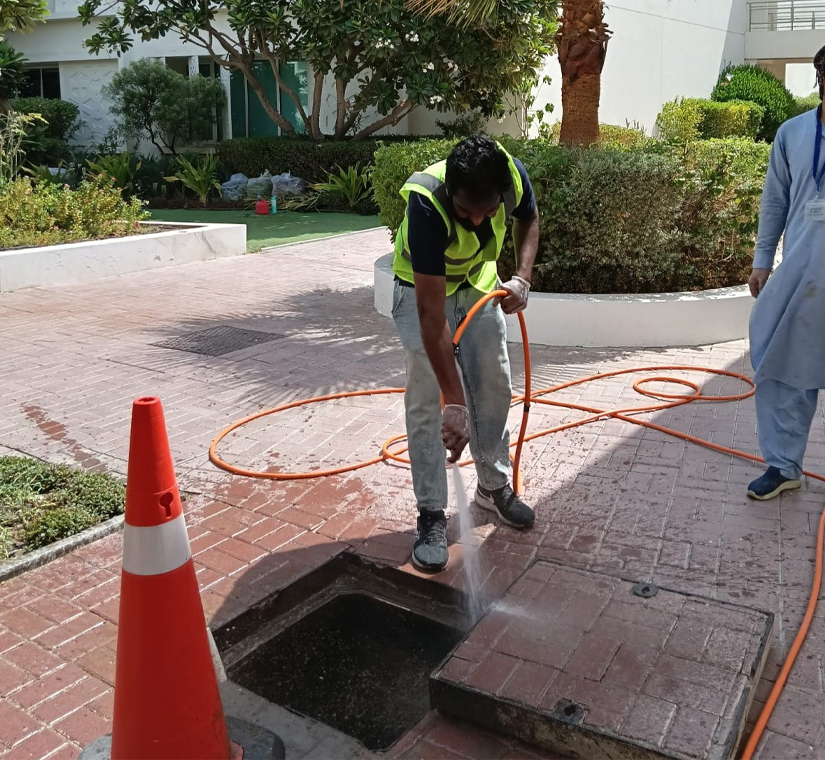
A blocked manhole can turn into an overflow within hours. Dirty water spreads around the cover, a bad smell fills the area, and one of the first questions people ask is: whose job is it to fix this?
This guide explains who is usually responsible for a blocked manhole in Qatar, how to recognise the warning signs, what to do straight away, and when to call a professional manhole unblocking company.
The Short Answer
It depends on where the blockage is. A manhole inside a property is usually the responsibility of the owner or property management, while the public sewer network outside the property is handled by the relevant authority. For rented properties, the tenancy agreement decides. If you are unsure, a professional can find where the blockage is.
Who Is Responsible for a Blocked Manhole?
Manholes Inside Your Property
If the manhole sits inside a villa, compound, building or commercial site, the owner or the property management company normally has to arrange the cleaning and pay for it.
The Public Sewer Network Outside Your Property
If the blockage is in the public line outside the property boundary, it is handled by the relevant authority and not by the property owner. A professional inspection can confirm which side the problem is on before anyone is blamed.
Landlord or Tenant
In rented properties, the tenancy agreement usually says who pays for maintenance. If the blockage is caused by misuse, such as grease or wipes going down the drain, the tenant may be asked to share the cost. Check your contract before arguing about who pays.
Compounds and Large Buildings
In compounds, towers and commercial buildings, the facility management team usually handles manholes and drainage lines. Report the problem to them quickly and take photos so there is a record.
Signs of a Blocked Manhole
Recognising the early symptoms of a clogged inspection chamber helps prevent an unhygienic sewer overflow:
Common Causes of Manhole Blockages
Understanding what causes manhole chokes helps you protect your underground pipes and drainage network:
Grease and Fat
Cooking oil and grease cool down inside the pipes and stick to the walls. Over time they build up and trap other waste. This is very common near restaurants and kitchens.
Wipes, Rags and Solid Waste
Wet wipes, cloths and other solids do not break down in water. They collect in the line and form a blockage that grows each day.
Sand and Construction Debris
Sand, cement and building waste can wash into drains and settle at the bottom of the manhole and pipes, especially near construction work.
Damaged or Old Pipes
Cracked, shifted or very old pipes can catch waste and cause repeated blockages that cleaning alone cannot fix.
What to Do When a Manhole Is Blocked
Take immediate action to control health hazards and prevent wastewater backing up into your building:
Stop Using Water
Stop using water as much as you can, including toilets, sinks and washing machines.
Secure the Area
Keep people, children and pets away from the overflow.
Do Not Open the Cover Yourself
Do not open the manhole cover yourself.
Check Surrounding Properties
Check whether neighbours or other units have the same problem. This helps show if the blockage is in a shared line.
Inform Management or Call a Specialist
Inform the landlord or property management, or call a professional cleaning company.
Document the Overflow
Take photos of the overflow and keep a record of when it started.
Why Not Unblock a Manhole Yourself?
Manholes can contain harmful gases, the covers are heavy, and sewage carries real health risks. Pouring chemicals down the drain often clears only a small part of the blockage and can damage pipes. A trained team with the right equipment can remove the whole blockage safely.
What Affects the Cost of Unblocking a Manhole
There is no single price for manhole unblocking. The cost depends on:
A clear written quote after an inspection is the best way to know the price.
How Professionals Unblock a Manhole
Professional drainage specialists follow an organized 4-step procedure to restore proper wastewater flow:
Inspection
Inspect the manhole and the connected drainage line to find the cause.
Blockage Removal
Clear the blockage using the right method, for example high-pressure water jetting or suction for heavy waste.
Line Flushing
Flush the line to make sure the water flows freely.
Final Check and Site Sanitization
Do a final check and leave the area clean.
How to Prevent Manhole Blockages
Follow these preventative guidelines to keep your inspection chambers clear and trouble-free:
Frequently Asked Questions
Common questions property owners, tenants, and facilities managers ask about manhole blockages and drainage in Qatar:
It depends on where the manhole is. Manholes inside a property are usually the responsibility of the owner or management, and the public network is handled by the relevant authority. In rented properties, check the tenancy agreement.
The price depends on the location, type of blockage, length of the line, equipment and urgency. A written quote after an inspection is the most reliable way to know the cost.
It is not recommended. Manholes can hold harmful gases and sewage, and chemicals or basic tools usually clear only part of the blockage. A professional team can do it safely and properly.
Very small blockages sometimes move on their own, but they usually come back and grow. If water is rising or overflowing, it needs to be cleaned.
Need Manhole Unblocking in Qatar?
Progress FM provides manhole unblocking and drainage cleaning for residential, commercial and industrial properties across Qatar. With 15+ years of experience and 24/7 service availability, we can inspect the problem, clear the blockage and help you prevent it from coming back. Contact us for fast help.
Related Guide: Read our complete guide on How to Choose a Drainage Cleaning Company in Qatar.